


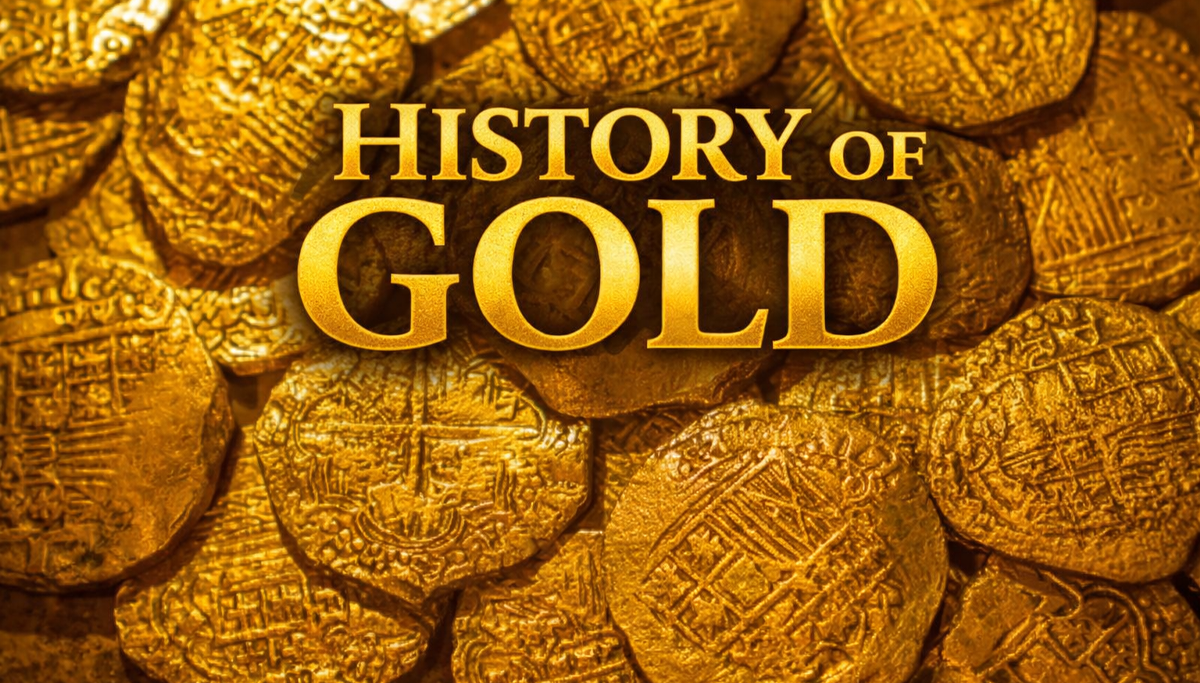
History of gold begins thousands of years ago, and it shows how this rare metal slowly became one of the most valuable materials on Earth. From early human societies to modern financial systems, gold has always held a special place. Because gold is shiny, durable, and rare, people across the world admired it. Over time, it was not only used for beauty but also for trade, power, and security.
As civilizations grew, the history of gold became closely linked with wealth and influence. Although many materials came and went, gold remained important. Even today, gold continues to shape economies and personal savings. Therefore, understanding its past helps explain its value in the present.
Gold in Early Human Civilizations
In ancient times, gold was one of the first metals discovered by humans. Because it could be found in rivers and streams, early people collected it easily. As a result, gold was shaped into simple jewelry and ornaments. The history of gold during this period shows that it was mainly used for decoration rather than money.
Over time, civilizations such as Mesopotamia and Egypt gave gold deeper meaning. Although farming and trade were growing, gold became a symbol of power and status. Kings and priests used gold to show authority. Because of this, gold slowly gained cultural and spiritual importance.
Role of Gold in Ancient Egypt
Ancient Egypt played a major role in shaping the history of gold. Egyptians believed gold was the flesh of the gods. Therefore, it was used in temples, statues, and royal tombs. Pharaohs were often buried with gold items, as people believed gold would protect them in the afterlife.
In addition, Egypt developed early gold mining methods. Although tools were simple, large amounts of gold were extracted. Because of this steady supply, Egypt became one of the richest civilizations of its time. As a result, gold became a strong symbol of eternal power.
Gold as Money in Ancient Societies
As trade expanded, the history of gold entered a new phase. Gold began to be used as money. Since gold was easy to divide and did not rust, it became perfect for trade. Therefore, early coins were made using gold and silver.
Later, civilizations like Lydia and Rome officially minted gold coins. These coins helped trade grow faster and more fairly. Because gold coins had standard weights, people trusted them. As a result, gold became a foundation of economic systems across regions.
Gold During the Middle Ages
During the Middle Ages, the history of gold became closely connected with religion and kingdoms. Churches used gold to decorate buildings and religious items. Meanwhile, kings stored gold to show strength and stability. Because wars were common, gold was also used to fund armies.
At the same time, gold trade routes expanded between Europe, Africa, and Asia. Although travel was dangerous, merchants took risks because gold had high value. Therefore, gold helped connect distant cultures and economies.
Gold and Global Exploration
The history of gold changed dramatically during the Age of Exploration. European explorers traveled across oceans in search of gold. Because gold promised wealth, countries funded long and risky journeys. As a result, new lands were discovered and colonized.
In the Americas, large amounts of gold were found. Although this brought wealth to Europe, it caused suffering for native populations. Therefore, gold played both a positive and negative role. Still, global trade increased, and gold became a truly international asset.
Gold Standard and Modern Economies
In modern times, the history of gold entered financial systems through the gold standard. Countries linked their currency value directly to gold. Because of this system, money became more stable and trusted. Many nations followed this system during the 19th and early 20th centuries.
However, as economies grew, the gold standard became difficult to maintain. Eventually, most countries moved away from it. Still, gold remained important. Even today, central banks store gold as a safety measure during economic uncertainty.
Gold in the Present Day
Today, the history of gold continues as gold remains a valuable asset. People buy gold as jewelry, investment, and protection against inflation. Because gold holds value over time, it is seen as a safe option during financial crises.
In addition, technology has created new uses for gold. Gold is used in electronics and medical devices. Therefore, its importance goes beyond beauty and wealth. Gold remains relevant in many parts of modern life.
Conclusion
The history of gold shows a long journey from simple decoration to global economic power. Although its role has changed, gold has never lost its value. Because it connects culture, money, and technology, gold continues to influence the world. Understanding this journey helps us see why gold still matters today.
Frequently Asked Questions (FAQs)
1. Why has gold been valuable throughout history?
Gold has been valuable because it is rare, durable, and beautiful. Therefore, people trusted it as a store of value.
2. When did gold start being used as money?
Gold began to be used as money around 600 BCE when early civilizations minted gold coins.
3. Is gold still important today?
Yes, gold is still important. It is used for investment, jewelry, and modern technology.
4. Did gold cause conflicts in history?
Although gold brought wealth, it also caused conflicts during exploration and colonization.
5. Why do governments store gold now?
Governments store gold to protect their economies during financial instability.
Also Read:
Why silver price increasing? Everything You Need to Know
