


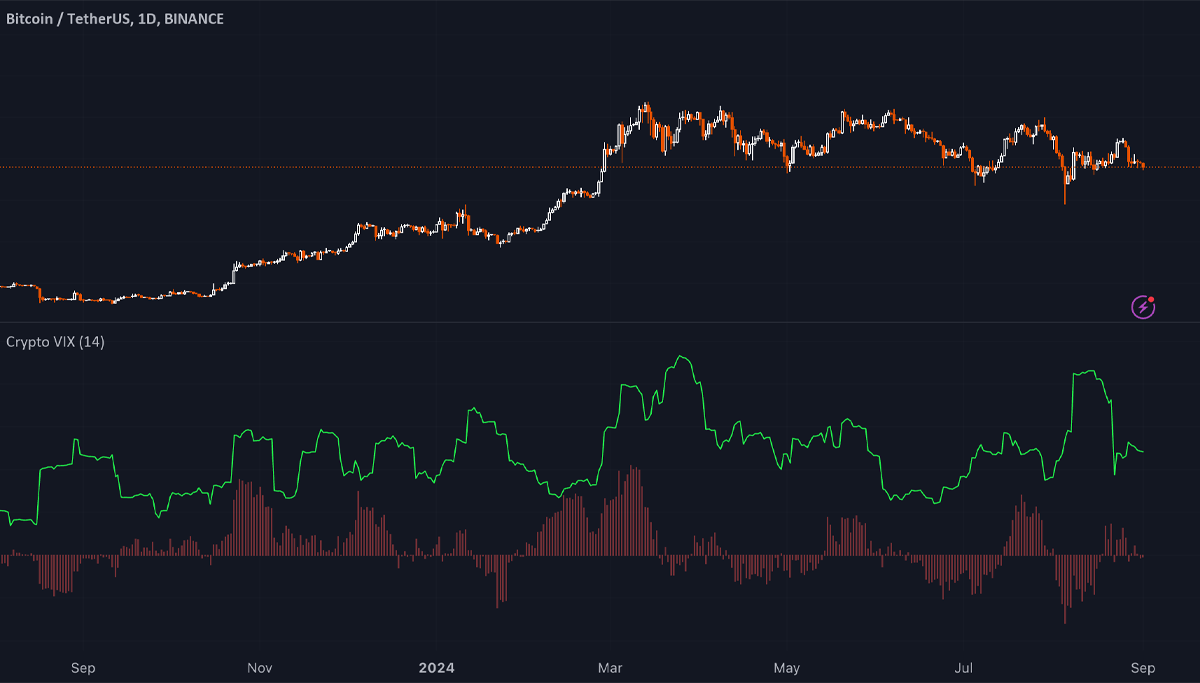
Bitcoin Volatility is one of the most talked-about topics in the crypto world, and it often surprises new investors. From the start, Bitcoin prices have moved up and down very quickly. Because Bitcoin is still new compared to traditional money, its price reacts strongly to news and events. As a result, sudden price changes are very common.
Moreover, Bitcoin trades all day and all night without stopping. Because there is no closing time, prices can change at any moment. Therefore, Bitcoin volatility feels higher than stocks or bonds. Although this can be risky, many traders also see opportunity in these price movements.
What Makes Bitcoin Volatility So Different
Bitcoin volatility exists because Bitcoin has no central controller. Unlike traditional money, no government or bank controls its supply. Because of this, price changes depend mainly on buyers and sellers. As demand rises or falls, prices move quickly.
In addition, Bitcoin has a limited supply. Only 21 million coins will ever exist. Because scarcity affects value, even small changes in demand can cause big price shifts. Therefore, Bitcoin volatility stays high compared to other assets.
Market Size and Bitcoin Volatility
Bitcoin volatility is also influenced by market size. Although Bitcoin is large, it is still smaller than global stock or currency markets. Because of this, large trades can move prices easily. As a result, price swings happen more often.
Furthermore, many Bitcoin holders are individual investors. Because emotions often guide decisions, prices can change fast. When fear or excitement spreads, many people buy or sell at once. Therefore, Bitcoin volatility increases during emotional market moments.
News and Media Impact on Bitcoin Volatility
Bitcoin volatility reacts strongly to news. When positive news appears, prices often rise quickly. For example, when companies accept Bitcoin, excitement spreads fast. As a result, buyers rush in.
On the other hand, negative news can cause fear. Because regulations or bans affect trust, prices may drop suddenly. Therefore, Bitcoin volatility is closely linked to headlines and social media reactions.
Role of Speculation in Bitcoin Volatility
Speculation plays a big role in Bitcoin volatility. Many people buy Bitcoin hoping to sell it at a higher price soon. Because short-term profit is the goal, trading activity increases.
As more traders enter the market, prices move faster. Because traders react quickly to small changes, volatility rises. Therefore, Bitcoin prices can jump or fall within minutes.
Lack of Regulation and Bitcoin Volatility
Bitcoin volatility is affected by limited regulation. Unlike stock markets, crypto markets have fewer rules. Because of this, sudden actions by large holders can affect prices.
In addition, different countries treat Bitcoin differently. Because laws change often, uncertainty remains high. Therefore, Bitcoin volatility continues as investors react to regulatory updates.
Technology Changes and Bitcoin Volatility
Technology updates also affect Bitcoin volatility. When network upgrades or changes are announced, prices can move. Because these updates may improve speed or security, investors react quickly.
However, technical problems can also increase fear. Because security is important, any issue can cause selling. Therefore, Bitcoin volatility responds strongly to technical developments.
Investor Psychology and Bitcoin Volatility
Bitcoin volatility is closely linked to human behavior. When prices rise, people fear missing out. Because of this fear, many buy quickly. As a result, prices rise faster.
When prices fall, fear spreads again. Because people want to avoid losses, selling increases. Therefore, emotional reactions create strong price swings in Bitcoin markets.
Is Bitcoin Volatility Always a Bad Thing?
Bitcoin volatility is not always negative. Although risk exists, volatility creates opportunity. Because prices move often, traders can profit from changes.
For long-term holders, volatility becomes less important. Because Bitcoin has grown over time, short-term changes matter less. Therefore, many investors accept volatility as part of the journey.
Conclusion
Bitcoin Volatility exists because of limited supply, emotional trading, news impact, and market structure. Although prices move quickly, these changes are part of a growing digital asset. Because Bitcoin is still developing, volatility remains high. However, with knowledge and patience, investors can better understand and manage these price swings.
Frequently Asked Questions (FAQs)
1. Why is Bitcoin volatility higher than stocks?
Because Bitcoin markets are smaller and less regulated, prices move faster.
2. Does Bitcoin volatility mean it is unsafe?
Not always. Although risk exists, volatility also creates opportunity.
3. Can Bitcoin volatility decrease in the future?
Yes, as adoption grows, price swings may become smaller over time.
4. Should beginners worry about Bitcoin volatility?
Beginners should learn and invest carefully, but volatility is normal in crypto.
5. How can investors manage Bitcoin volatility?
Investing slowly and thinking long-term can help reduce stress from price changes.
Also Read:
What Is Yenolzupoziu? What It Means and Why It Matters
